

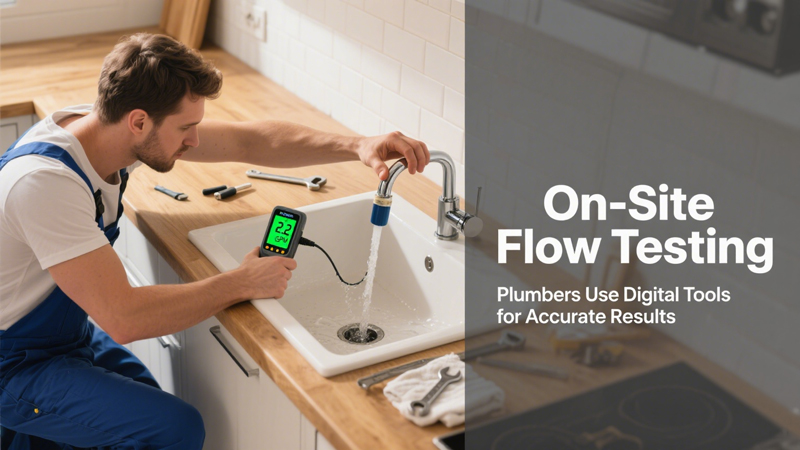
When you turn on a faucet, you expect a steady stream of clean water at the right pressure. But when the flow is weak, inconsistent, or too forceful, it may indicate underlying plumbing issues that affect your home’s water system. That’s where professional plumbers step in. Testing faucet water flow is an essential part of diagnosing plumbing problems, ensuring efficiency, and protecting water quality.
In this article, we’ll explore why faucet flow testing matters, the methods plumbers use, and how these tests help keep your plumbing system in top shape.
Why Faucet Water Flow Testing Matters
Faucet water flow refers to the volume of water delivered per unit of time, usually measured in gallons per minute (GPM). An ideal household faucet typically delivers around 1.5 to 2.5 GPM, depending on local regulations and fixture design.
When the flow is too low or high, it signals potential issues such as:
- Clogged aerators or pipes that restrict water movement.
- Mineral buildup from hard water.
- Faulty valves or cartridges inside the faucet.
- Pressure problems in the supply line.
- Leaky plumbing systems wasting water and reducing efficiency.
For homeowners, poor water flow means inconvenience and wasted time. For plumbers, testing flow is the first step in identifying whether the issue is localized at the faucet or part of a larger plumbing system problem.
Tools Plumbers Use to Test Faucet Flow
Plumbers rely on specialized tools to measure and analyze faucet performance accurately. Some of the most common include:
- Flow Rate Bags or Buckets
A simple yet effective tool. The plumber fills a container or a calibrated flow-rate bag for a set period (usually 5–10 seconds) and calculates gallons per minute. - Pressure Gauges
These devices measure water pressure in pounds per square inch (PSI). Normal household pressure ranges from 40–60 PSI. Low or high PSI directly impacts faucet flow. - Manometers and Digital Meters
For more advanced diagnostics, plumbers use digital flow and pressure meters that provide real-time, highly accurate readings. - Inspection Cameras
If clogs or buildup are suspected inside the pipes, small cameras help visualize blockages that reduce flow.
Step-by-Step Process of Testing Faucet Water Flow
1. Initial Inspection
The plumber begins with a quick visual check of the faucet. They inspect the spout, aerator, and handles for signs of corrosion, leaks, or mineral deposits. Sometimes, the problem is as simple as a clogged aerator that needs cleaning.
2. Measuring Flow Rate
To calculate the actual flow, the plumber places a container under the faucet and turns it on fully for a timed period. For example:
- If the faucet fills a one-gallon container in 30 seconds, the flow rate is 2 GPM.
- The result is then compared to the manufacturer’s specifications or local plumbing codes.
3. Checking Water Pressure
If the flow rate is unusually low or high, the plumber attaches a pressure gauge to the faucet or a nearby spigot. Proper water pressure ensures a consistent and safe flow. Pressure that’s too high can damage fixtures, while too low makes everyday tasks frustrating.
4. Inspecting Aerators and Cartridges
The aerator—the small mesh screen at the faucet’s tip—is often the culprit. Plumbers remove it, clean it, and test the flow again. If the problem persists, they examine the faucet cartridge or valve assembly for wear or clogging.
5. Testing Supply Lines
If faucet components are in good shape, the plumber traces the problem back to supply lines. They may check for kinks in flexible hoses, corrosion in copper pipes, or blockages caused by sediment buildup.
6. System-Wide Diagnostics
Sometimes the issue isn’t limited to a single faucet. If multiple fixtures show weak flow, the plumber tests the main supply line and water heater connections to rule out systemic problems.
Common Issues Identified During Faucet Flow Testing
By performing these tests, plumbers can pinpoint several common issues:
- Mineral Scaling – Hard water leaves deposits that clog aerators and restrict flow.
- Clogged Pipes – Sediment, rust, or debris inside old pipes can severely limit water delivery.
- High Water Pressure – Can lead to faucet leaks, burst pipes, and wasted water.
- Low Water Pressure – May be caused by municipal supply problems, leaks, or partially closed shut-off valves.
- Faulty Fixtures – Worn-out cartridges or seals inside faucets disrupt smooth flow.
Benefits of Professional Faucet Flow Testing
Regular faucet flow testing provides more than just convenience. It also helps:
- Improve Water Efficiency
Identifying issues early prevents wasted water and reduces utility bills. - Protect Fixtures and Appliances
Proper flow ensures that faucets, dishwashers, and washing machines operate without stress or premature wear. - Ensure Clean Water Delivery
Removing blockages and buildup minimizes the risk of bacteria harboring inside aerators or pipes. - Enhance User Comfort
Balanced water flow makes daily activities like cooking, cleaning, and bathing more pleasant.
How Homeowners Can Monitor Faucet Flow
While plumbers provide professional expertise, homeowners can take simple steps to monitor faucet performance between visits:
- Perform a bucket test once in a while to measure GPM.
- Clean aerators monthly to prevent mineral buildup.
- Check for leaks under sinks or around faucet bases.
- Listen for unusual sounds like whistling or hammering, which may indicate pressure issues.
These small efforts help detect early problems before they become costly repairs.
The Future of Faucet Flow Testing
Technology continues to improve how plumbers and homeowners track water performance. Smart faucets and flow sensors now allow real-time monitoring of water usage, pressure, and leaks via smartphone apps. In the future, these innovations may make faucet flow issues easier to detect automatically, reducing the need for manual testing.
Conclusion
Faucets may seem like simple household fixtures, but their performance depends on complex plumbing systems. When water flow changes, it’s often a sign that something deeper needs attention. Plumbers test faucet flow using proven methods—from simple bucket tests to advanced digital meters—to ensure your water supply is safe, efficient, and reliable.
For homeowners, understanding how plumbers test faucet water flow highlights the importance of regular maintenance. A well-functioning faucet not only makes daily life easier but also protects your home’s plumbing system and conserves valuable water resources.